

Heavy Marine Transportation Engineering
One Stop Engineering Solutions
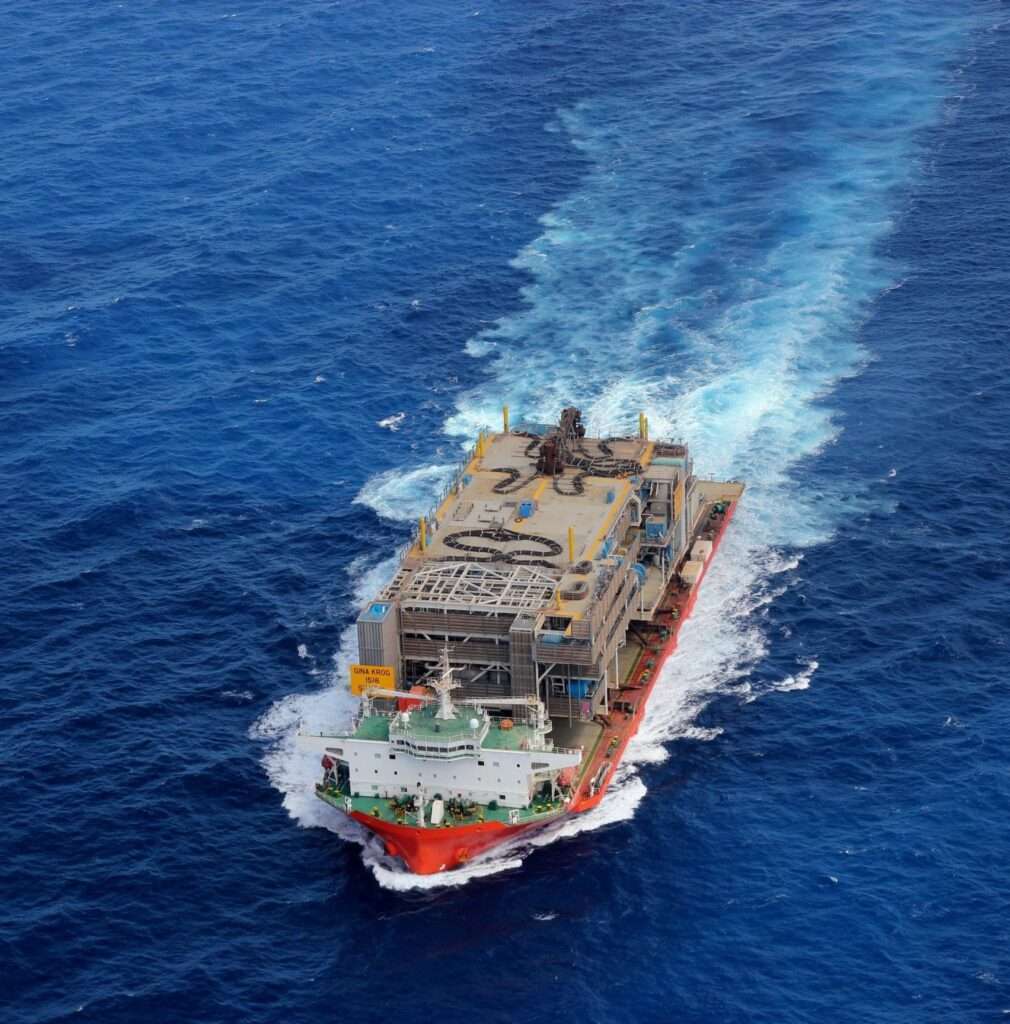
Heavy marine transport engineering integrates a spectrum of essential engineering aspects to triumph in its endeavors. Structural engineers fortify vessels and load-bearing components using cutting-edge materials and analysis, while naval architects optimize designs for stability, factoring in seakeeping dynamics and ballast systems. Incorporating motion and mooring analysis ensures that transported cargo remains secure and stable throughout the voyage, highlighting the collaborative prowess of diversified engineering.
Feasibility Study
This involves an analysis to determine whether a specific cargo can be safely and effectively transported on a vessel. It considers factors such as the cargo's size, weight, dimensions, and the capabilities of the chosen vessel.
Intact and Damage Stability
This assessment ensures that the vessel maintains stability both in normal intact conditions and in cases of damage, such as flooding. It involves calculations to determine the metacentric height, stability curves, and the vessel's response to various loading conditions.
Local and Global Strength Analysis
Local strength analysis focuses on specific structural components, while global strength analysis assesses the overall strength and load-carrying capacity of the vessel. It includes checks on deck strength and calculations for worst-case loading scenarios.
Ballast and Deballast Plan
A plan for managing the ballast water in the vessel's tanks to ensure proper stability during loading, transit, and unloading. Ballasting involves adding water for stability, while de-ballasting is the process of removing water to adjust the vessel's trim and stability.
Mooring Plan & Analysis
This analysis is concerned with designing a safe and efficient arrangement for securing the vessel to a dock or mooring structure. It considers factors like the vessel's size, wind and current conditions, and the mooring equipment used.
Motion Analysis
Motion analysis measures the acceleration and movement of the cargo and vessel during the voyage. It helps predict how the cargo will behave under various sea conditions, aiding in the design of secure stowage.
We Follow International Standards